Vehicle Depreciation Explained: How Quickly Cars Lose Value and What It Means for Owners

Key Takeaways
Vehicle depreciation
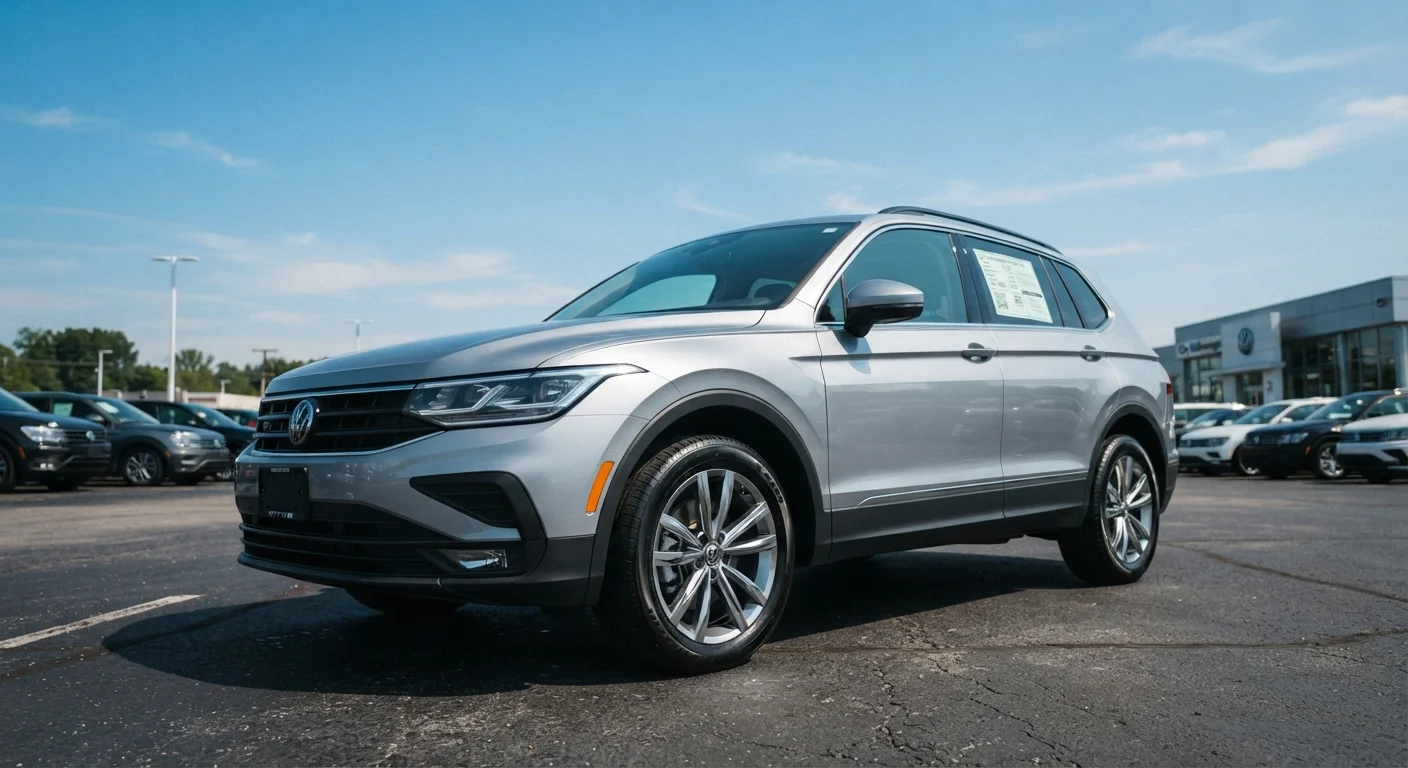
Vehicle depreciation is the decline in a car's market value over time. It happens continuously from the moment you drive off the lot and is influenced by age, mileage, condition, and market demand. Depreciation is not a fee you pay directly, but it is one of the largest costs of owning a vehicle.
Depreciation is calculated as the difference between a vehicle's purchase price and its current resale or trade-in value. Lenders and insurers use depreciation schedules to assess collateral value and determine gap insurance needs.
Why depreciation matters more than most owners realize
Most conversations about car costs focus on the monthly payment or the price at the pump. Depreciation rarely comes up, yet it often outpaces fuel, insurance, and maintenance combined as a share of total ownership cost. For a family buying a $35,000 vehicle, losing $6,000 to $8,000 in value during the first year is common. That loss is real money, even though no invoice arrives for it.
Understanding how depreciation works changes how you think about buying, holding, and selling a vehicle. It is central to the true cost of owning a car, and it affects decisions well beyond the initial purchase.
20%
Average new-car value lost in year one
Industry data from organizations such as Edmunds and the Insurance Information Institute consistently cite roughly 15 to 25 percent first-year depreciation for most new vehicles.
50-60%
Value lost by year five for a typical vehicle
Consumer-focused automotive research has tracked that most new cars retain only 40 to 50 percent of their original purchase price after five years of ownership.
$0
Direct invoices you receive for depreciation
Depreciation never appears on a bill, but it is consistently cited by the AAA as one of the largest annual costs of vehicle ownership in the United States.
How depreciation actually works
A car's value does not fall at a steady rate. The drop is steepest in the first one to three years, then it flattens. Here is a general pattern for a typical new vehicle:
- Year 1: 15 to 25 percent of purchase price lost
- Years 2 and 3: an additional 10 to 15 percent per year
- Years 4 and 5: the rate slows to roughly 10 percent per year
By year five, many vehicles are worth 40 to 50 percent of what they sold for new. After that, depreciation continues but at a slower pace, and older cars may hold a floor value for years if they run reliably.
Several factors push a specific car above or below that average curve. Fuel economy, reliability reputation, brand perception, and available inventory all play a role. A model with a history of mechanical problems or one that has been recently redesigned will often fall faster than average, because used-car buyers factor those risks into what they are willing to pay.
What ownership timing means for your wallet
The steepest depreciation hits whoever owns the car during years one through three. Buying a vehicle that is already two to three years old shifts that burden to the original owner. The buyer gets a car that still has useful life ahead of it but has already absorbed the worst of the value drop.
This does not mean buying new is always a bad financial move. A longer ownership horizon changes the math. If you keep a new car for ten or twelve years, the per-year depreciation cost averages out considerably. Selling or trading in at year three, on the other hand, is often the most expensive way to own a car.
First-time buyers are sometimes surprised by how much value a vehicle sheds in year one, which can create problems if the car is totaled and the insurance payout is lower than the remaining loan balance. Gap insurance addresses exactly that risk.
Factors that speed up or slow down value loss
Mileage is the most direct variable after age. Vehicles with low annual mileage, typically under 12,000 miles, tend to hold value better than high-mileage counterparts. Condition matters too: documented service records, clean interiors, and an accident-free title all support a higher resale price.
Color and trim level have a modest effect. Neutral colors such as white, silver, and gray generally appeal to a wider pool of buyers. Unusual colors or stripped-down base trims can narrow the resale market and soften prices.
Market forces outside your control include fuel prices and broader supply. When fuel costs rise sharply, large trucks and SUVs have historically seen faster depreciation. Electric vehicle depreciation is harder to predict because battery technology and charging infrastructure are still changing quickly.
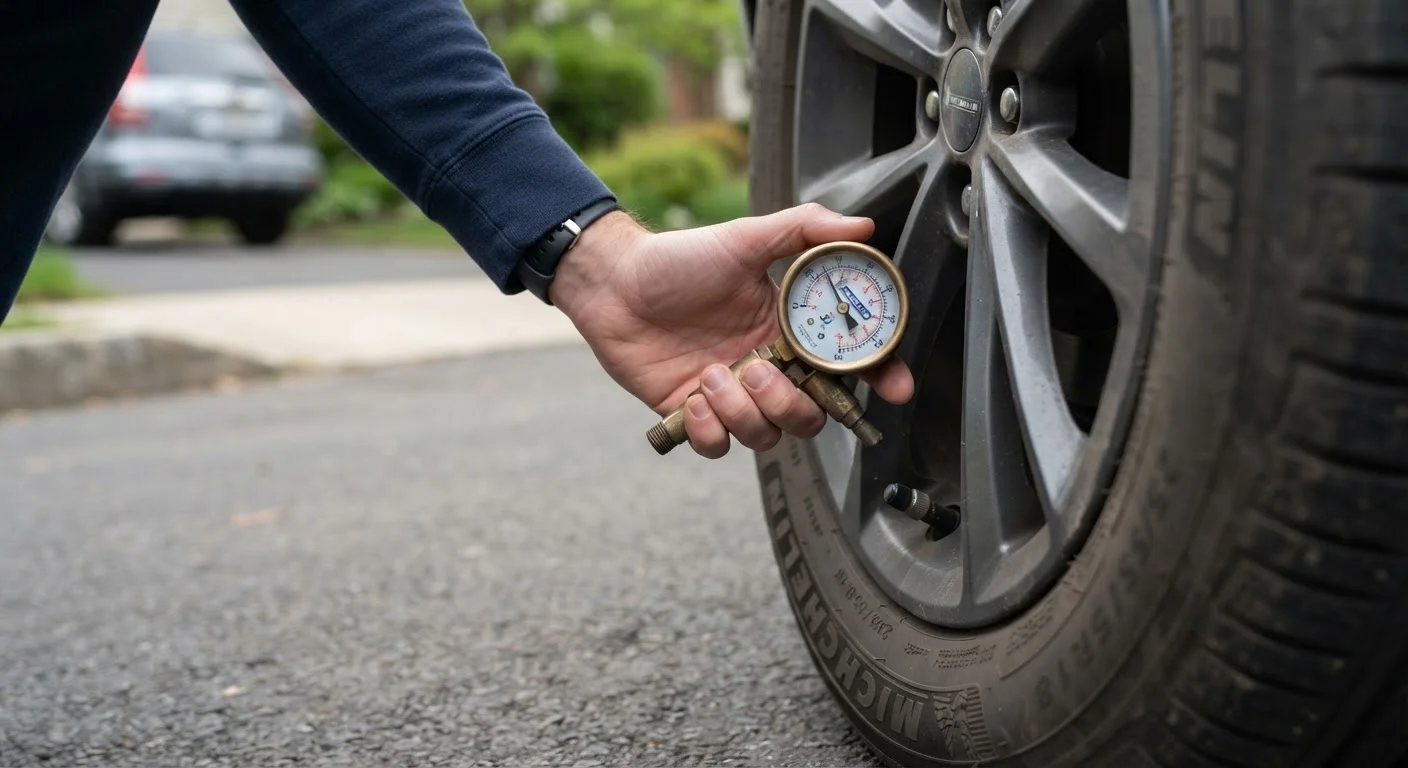
Routine maintenance has a measurable payoff at resale. Owners who document oil changes, tire rotations, and scheduled service can present that history to buyers as evidence the car was cared for. Tire maintenance, for instance, affects both ongoing fuel costs and the condition assessment a buyer or dealer will make at trade-in.
Practical steps for managing depreciation
You cannot stop depreciation, but you can manage it. A few practical approaches:
- Hold the vehicle longer. The longer you spread the initial value loss over years of use, the lower the annual cost of depreciation becomes.
- Keep maintenance records. A complete service history is a concrete asset when it comes time to sell or trade.
- Avoid excessive mileage if resale is a priority. Long road trips are fine, but consistent high-mileage commuting compresses resale value faster.
- Understand your loan balance relative to the car's current value. If you are underwater (meaning you owe more than the car is worth), factor that into any decision to sell or trade.
Depreciation is not something to fear. Treated as a known cost of ownership, it becomes a variable you can plan around rather than a surprise that catches you short at trade-in time.